Jute vs Wool Rugs: Which Room Are They For
Both are natural fibers, but they behave nothing alike. Here's how to put each one in the room it's built for.
Same Category, Different Jobs
Jute and wool are both natural-fiber rugs, and both bring warmth and texture a synthetic rug can't. But they behave completely differently underfoot and under stress, and the fastest way to be happy with either is to match it to the right room rather than the other way around.
Wool: Soft, Durable, Forgiving
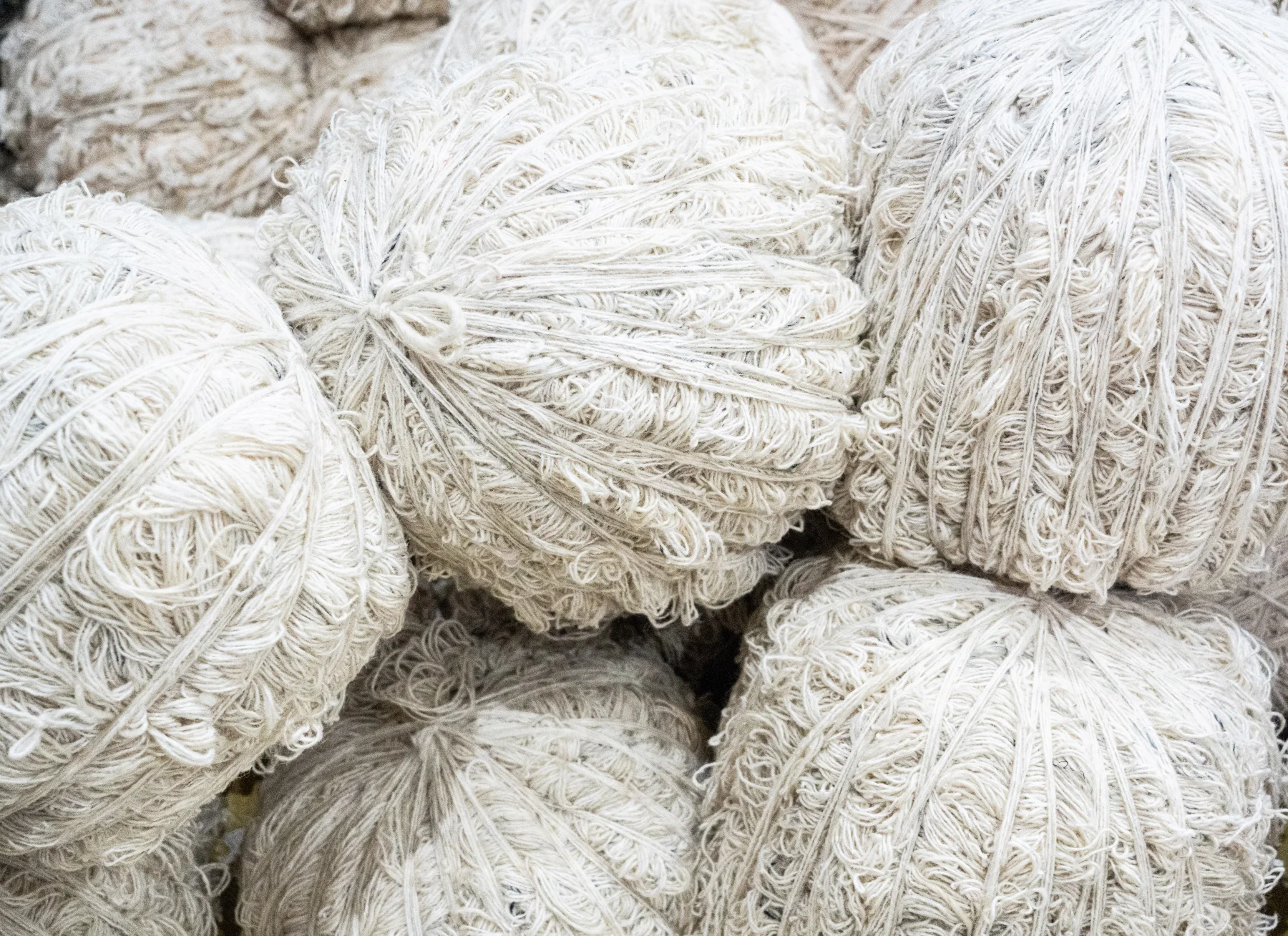
Wool is the workhorse of natural rug fibers. It's soft underfoot, naturally resilient, with fibers that spring back after being crushed, and it resists everyday stains and dirt better than most materials. It also holds dye beautifully, so wool rugs carry rich, lasting color and intricate pattern.
That combination of softness and durability makes wool the strongest all-rounder in the house. It handles foot traffic, takes spills in stride with prompt blotting, and stays comfortable in the rooms you actually sit and stand in.
Jute: Textural, Natural, More Delicate with Moisture
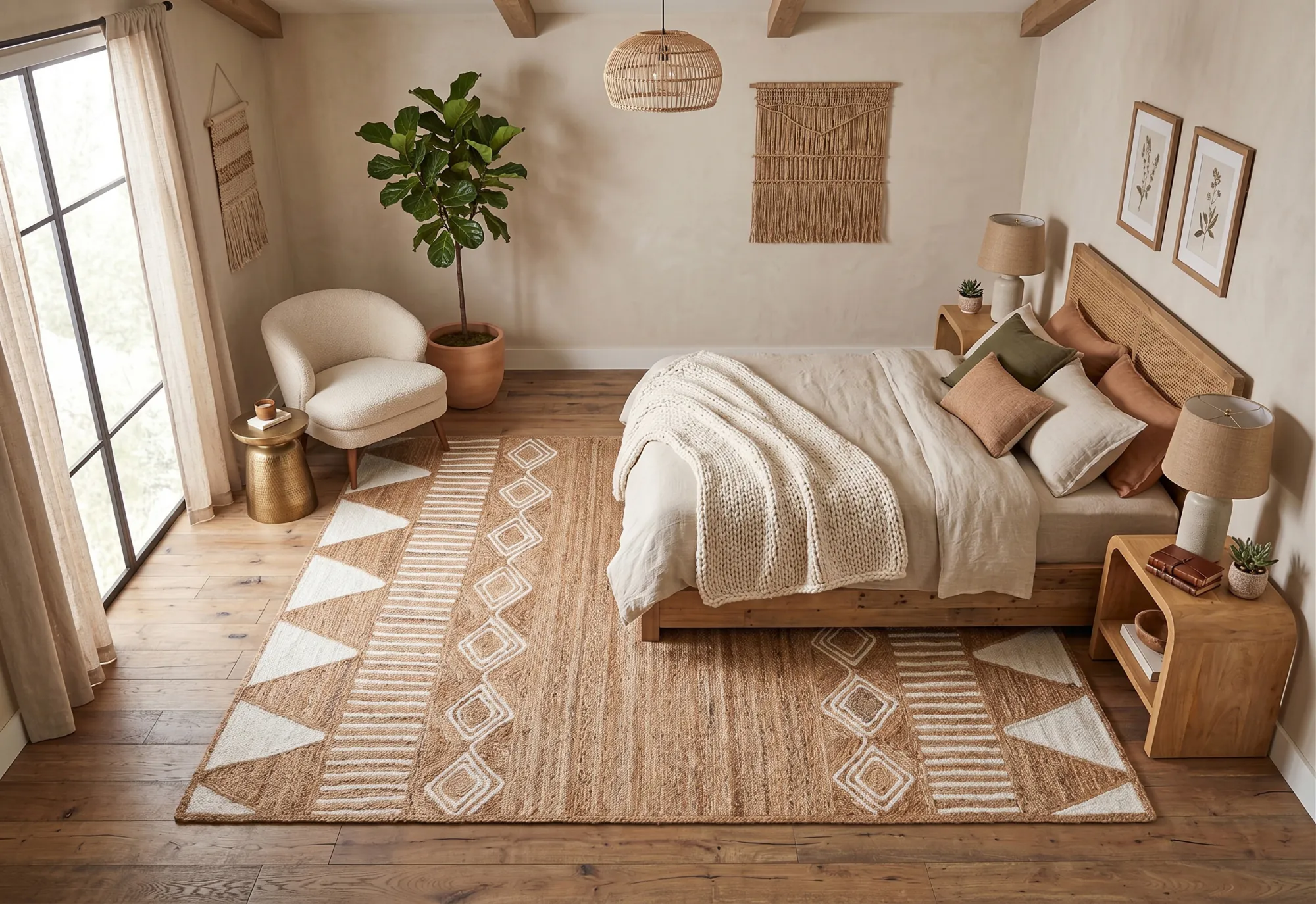
Jute is a plant fiber, spun and woven into rugs with a natural, ropey texture and a warm, earthy tone that pairs with almost anything. It brings instant organic character to a room and tends to cost less than wool.
Its limit is moisture. Jute doesn't handle water well; spills should be blotted dry quickly, and jute is best kept out of damp or high-spill areas, where the fiber can stain or discolor. It's also firmer and coarser than wool, so it reads more as texture than as plush comfort.
Which Room for Which Rug
- Living room: Wool. It's soft where you want comfort and durable where the traffic is.
- Bedroom: Wool, for softness underfoot first thing in the morning. Jute works too if you want texture and don't mind a firmer feel.
- Entryway / hallway: Either. Both handle traffic, but keep jute away from doorways that let in rain or snow.
- Dining room / kitchen: Wool, since spills are frequent and wool recovers better. Skip jute here; moisture is its weak point.
- Bathroom or anywhere damp: Neither natural fiber loves moisture, but jute least of all. Avoid.
- Under a coffee table or layered under another rug: Jute shines; its flat, textural base is made for it.
A Note on Styling
There's also a simple design rule that cuts across both fibers: a neutral rug calms a busy, colorful room, while a patterned rug brings a neutral room to life. Jute's natural tone makes it a reliable neutral base; wool's dye-holding makes it the better choice when you want the rug to carry the pattern.
The Savannah Collection is handmade in jute for exactly this kind of natural, textural warmth, while the hand-knotted Miraan Collection delivers wool's softness and lasting color. Choose by the room.
Explore the Savannah Collection
Handmade natural jute rugs with grounded texture, earthy tone, and the low, relaxed character that makes jute so useful in layered rooms.
View the collection